


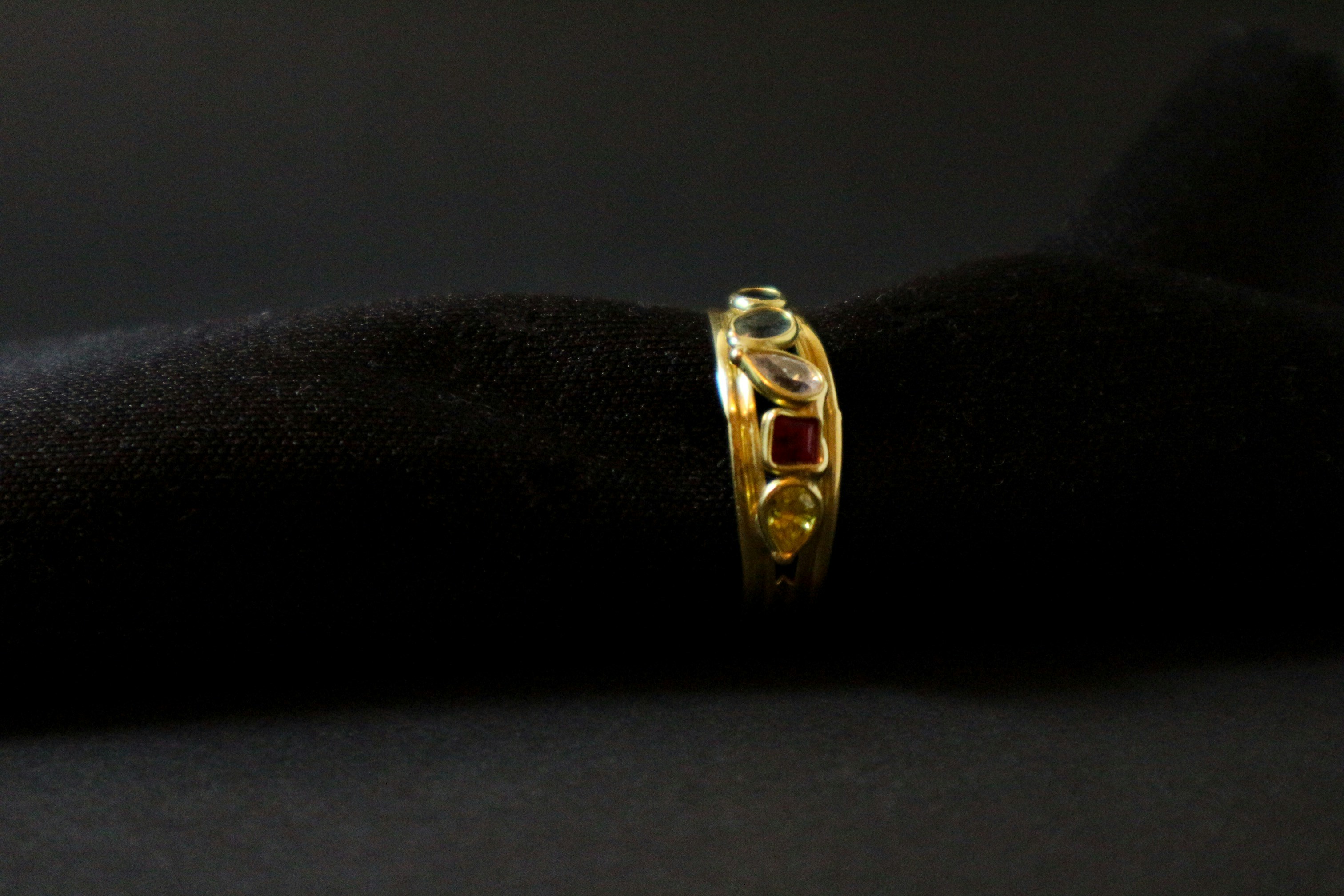

Introduction to Ruby Gemstones
Ruby gemstones are among the most esteemed and sought-after gemstones in the world, instantly commanding attention with their captivating and profound red color. The allure of ruby gemstones has endured through the ages, as people admire them not only for their beauty but also for their remarkable durability and symbolic importance. Composed of corundum, ruby gemstones derive their vibrant hue from chromium, which sets them apart from other gemstones in terms of visual impact and value. With a hardness rated at nine on the Mohs scale, ruby gemstones are exceptionally durable and well suited for fine jewelry designed to last generations.
The history of ruby gemstones is rich and deeply intertwined with cultures and traditions across the world. In ancient times, people believed ruby gemstones possessed protective qualities; warriors wore them to seek victory in battle, while others trusted these gemstones to bring good fortune and protection from evil. This historical reverence helped establish ruby gemstones as enduring symbols of passion, love, and power. Additionally, the deep red color of ruby gemstones connects strongly with the heart, reinforcing their symbolism of love and desire.
The global market for ruby gemstones remains robust, as collectors and jewelry lovers continue to value them as rare and meaningful alternatives to traditional diamonds. The beauty and historical prestige of ruby gemstones make them popular choices for rings, earrings, necklaces, and heirloom jewelry. Because high-quality ruby gemstones meeting strict standards of color, clarity, and cut are rare, their value remains strong. This enduring demand explains why people continue to celebrate ruby gemstones as one of nature’s finest treasures.

Understanding Ruby Gemstones
A ruby is a precious gemstone classified as a variety of the mineral corundum, primarily composed of aluminum oxide. The characteristic red color of rubies is due to the presence of chromium, a trace element that not only imparts the gemstone’s vibrant hue but also contributes to its overall quality. Rubies form under very specific geological conditions, originating deep within the Earth’s crust where extreme heat and pressure crystallize corundum. Over millions of years, geological processes move these gemstones closer to the surface, allowing people to discover and mine them.
The rarity of high-quality rubies, especially those with a deep red color and minimal inclusions, makes them highly sought after in the gemstone market. Unlike diamonds, which are often abundant in specific locations, rubies are found in fewer places around the world. Prominent sources of high-quality rubies include Myanmar (formerly Burma), Thailand, and parts of Africa, with each locality imparting unique characteristics to the stones. Burmese rubies, for example, are famous for their intense red color and excellent clarity.
One defining feature that distinguishes rubies in the gemstone market is their hardness. Rubies score a 9 on the Mohs scale of mineral hardness, just below diamonds, making them exceptionally durable for various types of jewelry. Furthermore, rubies exhibit a phenomenon known as asterism, where a star-like pattern shines across the surface when cut appropriately. This is caused by the presence of needle-like inclusions within the stone, adding to its allure and value. Such distinct features underscore not only the beauty of rubies but also their significance as a cherished gemstone among collectors and jewelry enthusiasts.

Historical Significance of Rubies
Rubies in Ancient Civilizations and Royal Power
Rubies, known for their captivating color and brilliance, have held a prominent place in human culture for centuries. People have admired this remarkable gemstone since ancient times, as civilizations recognized its aesthetic beauty and intrinsic value. The significance of rubies traces back to their strong association with power and prestige, as royalty and nobility across various cultures often reserved them for themselves.
Rubies in Ancient India and Burma
In ancient India, people regarded rubies as the “King of Gems” and believed they bestowed strength, protection, and prosperity upon their owners. Craftsmen frequently incorporated rubies into ceremonial objects, and their presence in royal jewelry emphasized the wearer’s status. Similar beliefs appeared in ancient Burma, where warriors embedded rubies into their skin before battle, trusting these gemstones to grant invulnerability and victory.
For a deeper look into the spiritual meaning and symbolism of rubies, you can explore this detailed guide:
https://www.zadrangems.com/unveiling-the-mystical-ruby-stone-discover-its-meaning-and-shop-for-genuine-rubies/
Rubies in Europe and Global Trade
The allure of rubies extended beyond Asia. In Europe, the medieval era saw the gemstone commanding great admiration among the aristocracy. Rubies were frequently set in crowns, tiaras, and other ornaments as symbols of royalty and wealth. Their red hue was often associated with love and passion, which further solidified their desirability. In addition, rubies became pivotal trade items, traveling along major routes that connected the East and the West, enhancing their cultural and economic importance.
Enduring Legacy of Ruby Gemstones
Throughout history, rubies have symbolized authority and riches, transcending borders and cultures. Their enduring appeal reflects the power, protection, and prestige that civilizations across time attributed to them. Evident in royal jewelry, ceremonial artifacts, and historic trade, rubies represent far more than beauty—they carry a deep legacy of cultural reverence and historical significance.

Ruby Mining: Sources and Methods
Major Ruby Mining Locations Around the World
Ruby mining is a critical aspect of the gemstone industry, significantly impacting the quality and availability of these exquisite stones. Major mining locations for rubies include Myanmar, Thailand, Madagascar, and Mozambique, each offering unique characteristics that influence the stones extracted. Myanmar’s rubies, particularly from the Mogok region, are renowned for their rich color and clarity, often referred to as “pigeon blood” rubies. Thailand’s rubies, on the other hand, are typically darker and often heat-treated to enhance their color. Madagascar has emerged as a notable source in recent years, yielding high-quality rubies with a wide array of hues. Mozambique is also gaining recognition for producing commercially viable rubies, which are primarily mined in large-scale operations.
Mining Conditions and Their Impact on Ruby Gemstones Quality
The conditions under which rubies are mined can greatly affect their quality. For instance, rubies found in alluvial deposits tend to be more saturated in color but may require thorough washing and processing to remove impurities. In contrast, rubies extracted from primary deposits can exhibit a variety of imperfections and inclusions depending on the geological environment from which they originate. Such factors underscore the significance of both traditional and modern mining methods in ruby extraction.
Traditional and Modern Ruby Gemstones Mining Methods
Traditional mining methods involve manual labor, where miners dig through soil and rock to locate ruby deposits. These methods, although labor-intensive, often have a lower environmental impact compared to large-scale operations. Conversely, modern mining techniques employ machinery and advanced technologies, allowing for higher efficiency and the potential for increased ruby yields. However, these methods can result in significant ecological damage if not conducted responsibly.
Ethical and Sustainable Ruby Gemstones Mining Practices
Ethical and sustainable practices are becoming increasingly important in the ruby mining industry. With a growing awareness of the impact of mining on local communities and ecosystems, many companies are committed to sourcing rubies responsibly. This shift not only ensures the longevity of ruby mining but also helps communities thrive economically and socially. By prioritizing ethical practices, the industry can enhance the perceived value of ruby gemstones while safeguarding the environment and supporting local populations.

Factors that Determine Ruby Gemstones Quality
When assessing the quality of rubies, several key factors come into play: color, clarity, cut, and carat weight. These characteristics collectively define the value of a ruby gemstone, making them essential considerations for both buyers and enthusiasts.
The color of a ruby is perhaps the most crucial factor. The most desirable rubies exhibit a vivid red hue, often referred to as “pigeon blood red.” Buyers appreciate this color for its intensity and depth, while variations in hue can affect overall value. Too much orange or purple in the color spectrum can detract from a ruby’s worth, making the exact shade essential in determining quality.
Clarity is another critical aspect, involving the presence of inclusions within the stone. The presence of natural inclusions is common in rubies; however, fewer inclusions often equate to higher quality. Rubies with minimal inclusions that remain barely visible to the naked eye command significantly higher value than those with obvious defects. It’s crucial to note that inclusions can also impact brightness and transparency, which play a significant role in the final assessment.
The cut of the ruby, which refers to the facets and craftsmanship applied to the stone, massively influences how light interacts with it. Rubies that are well-cut enhance brilliance and color, ensuring that the gem reflects light beautifully. A superior cut can elevate a ruby’s appearance, making it appear more vibrant and appealing.
Finally, carat weight contributes to the value, with larger rubies typically commanding higher prices.However, weight alone does not determine overall quality; buyers must consider all other factors together when assessing a gemstone’s worth.

Choosing the Right Ruby Gemstones: A Buyer’s Guide
Understanding Natural, Treated, and Synthetic Rubies
When it comes to purchasing ruby gemstones, it is essential to understand the differences between natural, treated, and synthetic stones. Natural rubies form over millions of years beneath the Earth’s surface and hold value for their rarity and authenticity. If you are exploring genuine stones, you can view available options in our ruby gemstone collection here:
https://daddygems.com/product-category/ruby/
Treated rubies have undergone enhancements to improve their color and clarity, commonly through processes such as heat treatment. Synthetic rubies, on the other hand, are lab-created stones that share the same chemical composition as natural rubies but lack the same geological history.
Heat Treatment and Untreated Rubies
Heat treatment commonly enhances rubies. This method increases the stone’s color saturation and clarity, making them appear more vibrant and lustrous. However, it is crucial for buyers to know that heat-treated rubies still retain their natural origin and value.Buyers seeking the most extravagant specimens may consider untreated rubies, which remain rarer and often more expensive due to their natural beauty and authenticity. These stones have not undergone any enhancements, thus preserving their original characteristics.
Importance of Certification and Authenticity
Furthermore, certification plays a vital role in ensuring the quality and authenticity of ruby gemstones. Reputable gemological laboratories can provide certification that verifies a ruby’s treatment status, origin, and overall quality. Investors and collectors alike should prioritize purchasing certified stones, as this not only guarantees the value but also enhances the confidence in one’s investment. You can explore a wide range of gemstones and learn more about our sourcing standards through our main shop:
https://daddygems.com/shop/
Making an Informed Ruby Purchase
When choosing the perfect ruby, consider your budget, preferences, and the purpose of the gemstone, whether for personal use or as an investment. Understanding the distinctions and implications associated with natural, treated, and synthetic stones can lead to a more informed purchase that aligns with your needs and expectations. By considering these factors alongside proper certification, you can confidently select a ruby that embodies both beauty and integrity. If you need guidance or have questions before purchasing, feel free to contact us directly:
https://daddygems.com/contact-daddy-gems/

Understanding Ruby Prices
The pricing of ruby gemstones is influenced by various factors that potential buyers must consider. One of the most significant factors is carat weight. Generally, larger rubies command higher prices due to their rarity. Smaller stones, while still valuable, tend not to contribute as much to the overall price per carat. In essence, a ruby weighing one carat may not sell for double the price of a half-carat stone, illustrating the importance of carat weight in the pricing structure.
Another critical element affecting the price of rubies is their origin. Rubies from prestigious locations such as Burma (Myanmar), Thailand, and Sri Lanka are often more sought-after and valued higher than those from lesser-known regions. The color saturation and clarity associated with origin add to the allure and pricing of these gemstones.For instance, Burmese rubies display vivid red color and exceptional clarity, which can drastically increase their market value.
Treatment also plays a crucial role in the pricing of rubies.Many rubies on the market undergo treatments to enhance their appearance, including widely accepted heat treatment or more controversial methods such as glass filling. Untreated rubies, or those showing no signs of artificial enhancement, often command premium prices due to their natural state and the perception of higher quality.
Lastly, market demand greatly impacts ruby prices. During periods of heightened interest in gemstones or trends towards natural materials, ruby prices can surge. Buyers should manage their expectations based on factors affecting price, as not all rubies hold the same value. This understanding is crucial for making informed purchasing decisions in the evolving gemstone market.

Ruby Jewelry: Styles and Care
Popular Styles of Ruby Jewelry
Ruby gemstones, known for their vibrant red hue and remarkable brilliance, have captivated jewelry enthusiasts and collectors alike for centuries. Ruby jewelry appears prominently across various styles, including rings, pendants, earrings, and bracelets. Each piece offers a unique way to showcase this precious stone, allowing wearers to express their individuality while enjoying the timeless beauty of rubies.
Ruby Rings and Pendants
Ruby rings are particularly popular, often set in intricate designs that enhance the gemstone’s natural color. Jewelers offer ruby settings ranging from solitaire designs that let the ruby take center stage to halo styles that add surrounding diamonds for extra sparkle. Ruby pendants also serve as stunning focal points, elegantly hanging from delicate chains, which can be perfect for both casual wear and formal occasions.
Ruby Earrings and Bracelets
When it comes to earrings, ruby studs are a classic choice, providing a subtle yet striking accent to any outfit. For those seeking more elaborate designs, drop earrings with rubies can make a statement, perfect for special events. Bracelets featuring rubies can range from simple bangles to extravagant designs that weave multiple gemstones together, showcasing a breathtaking play of colors.
Durability and Care of Ruby Jewelry
Regarding durability, rubies are one of the hardest gemstones, ranking 9 on the Mohs scale, second only to diamonds. This exceptional hardness makes them suitable for everyday wear, allowing individuals to enjoy their ruby jewelry without constant worry about damage. However, it is essential to employ proper care to maintain their exquisite beauty. Regular cleaning using warm soapy water and a soft brush helps prevent the buildup of dirt and oils. Additionally, when storing ruby jewelry, it is advisable to keep it in a soft cloth or a separate compartment to avoid scratching from other jewelry.
Value and Longevity of Ruby Jewelry
In the jewelry market, rubies hold a significant value due to their rarity and the symbolic meaning associated with them, including love and passion. As such, proper care not only preserves their appearance but also maintains their value over time.

Symbolism and Spiritual Beliefs of Rubies
Ruby as a Birthstone and Symbol of Passion
People have long revered rubies not only for their stunning beauty but also for their rich symbolism and deep-rooted spiritual beliefs. As the birthstone for the month of July, rubies represent love, strength, and passion. Those born in this month may feel a special connection to this vibrant gemstone, as tradition links it to emotional wellbeing and strong relationships.
Energy, Vitality, and Inner Strength
The attributes attributed to rubies extend beyond mere aesthetics. These gemstones are believed to embody the qualities of vitality and energy, inspiring the wearer to embrace a passionate approach to life. In various cultures, rubies symbolize courage and the ability to overcome obstacles, making them a popular choice for those seeking empowerment through their adornments.
Historical Spiritual Significance and Protection
Historically, rubies have held significant spiritual meaning across various civilizations. In ancient times, they were thought to carry protective properties, warding off negative energies and promoting emotional healing. Many traditions uphold the belief that rubies can enhance the connection to one’s inner self, fostering clarity of thought and fortitude during challenging times. This spiritual symbolism emphasizes the role of rubies in personal growth, encouraging individuals to awaken their inherent strength and resilience.
Love, Commitment, and Emotional Bonds
Moreover, the fiery red hue of rubies is often associated with the heart, making them symbolic of love and affection. Gift-giving traditions that feature rubies highlight their importance as tokens of love and commitment, particularly in romantic relationships. As such, they are frequently chosen to celebrate anniversaries or milestones, reinforcing the bonds of love and fidelity.
Enduring Symbolism of Ruby Gemstones
In conclusion, rubies stand as a robust symbol of passion, strength, and emotional clarity, influencing cultural beliefs and personal significance throughout history. Their rich symbolism and spiritual attributes continue to inspire and captivate those who appreciate their beauty and meaning.

Gemstone Care for Rubies
To ensure that rubies retain their brilliant luster and durability, proper care and maintenance are essential. These gemstones, while remarkably resilient due to their hardness, still require thoughtful attention to preserve their beauty over time. One key aspect of ruby care is regular cleaning. It is advisable to clean rubies with warm, soapy water and a soft brush, gently scrubbing away any dirt or oils while avoiding harsh chemicals that could damage the stone’s surface. After cleaning, rinsing thoroughly with clean water and drying with a soft cloth will help maintain their shine.
Storage is another important consideration in ruby care.When not in use, store rubies in a soft, compartmentalized jewelry box or wrap them in a soft cloth to prevent scratches from other jewelry items. Keep rubies away from direct sunlight and extreme temperatures, as these conditions can adversely affect the gemstone’s color and integrity.
Moreover, protective measures are crucial in preventing potential damage during wear. For instance, wearing ruby jewelry during activities that pose a risk of impact or abrasion, such as sports or heavy manual labor, should be avoided. Additionally, periodic professional check-ups can be very beneficial; a jeweler can assess the setting and condition of the ruby, ensuring it remains secure and undamaged. Overall, maintaining the care and upkeep of rubies is pivotal for their longevity, allowing these exquisite gemstones to be cherished for generations. Establishing a routine for cleaning, proper storage, and protective practices will greatly enhance the durability and appearance of your ruby gemstones.

About DaddyGems
DaddyGems is dedicated to offering authentic, natural gemstones with transparency, quality, and trust, carefully selecting each gemstone to meet high standards of authenticity and craftsmanship.
Learn more about our journey and values here:
👉 https://daddygems.com/about-daddy-gems/
If you have questions or need assistance choosing the right gemstone, feel free to contact us:
👉 https://daddygems.com/contact-daddy-gems/
A really good blog and me back again.