


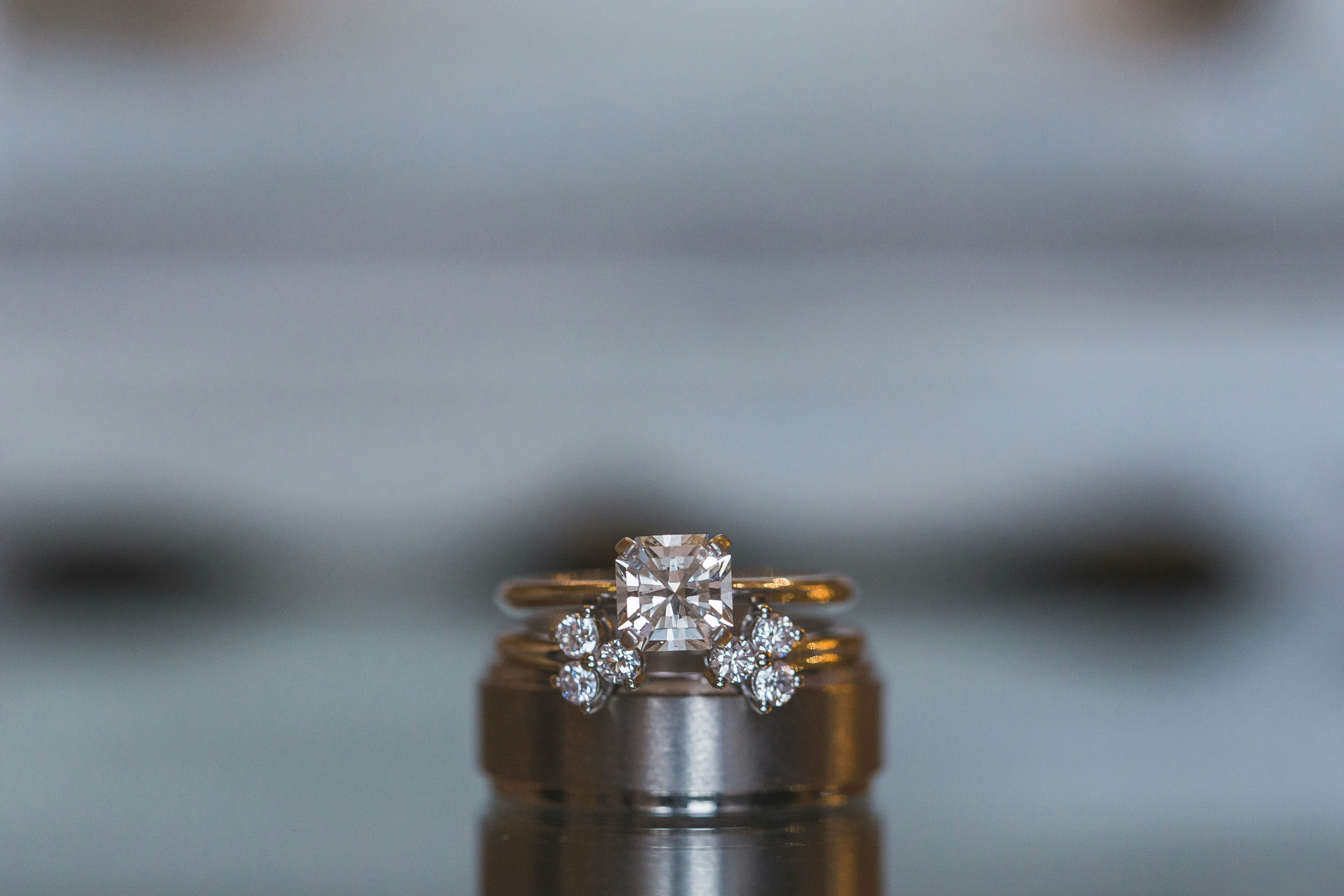
Introduction to Diamonds
The allure of diamonds has captivated humanity for centuries, making them one of the most revered gemstones in various cultures worldwide. Their natural brilliance and durability, attributed to the strong covalent bonding of carbon atoms, contribute to their status as symbols of elegance, luxury, and wealth. Historically, diamonds have been associated with royalty and the divine, often believed to bring protection, strength, and a sense of invincibility to their wearers. Their rarity and the intricate process of mining and cutting have further elevated their reputation, making diamonds coveted possessions.
Diamonds are often seen as the ultimate expression of love and commitment, especially evident in the tradition of gifting diamond engagement rings. This practice emerged in the 15th century and has since evolved into a cultural norm in many societies, symbolizing eternal union. The emotional significance attached to diamonds extends beyond engagements; they are also given during anniversaries, marking milestones and cherished moments. This cultural relevance has positioned diamonds at the forefront of celebration and sentiment, further intertwining them with human experiences.
Additionally, diamonds play a significant role in the realm of birthstones, specifically as the designated gem for the month of April. Birthstones are believed to bring luck and positive energy to individuals born in corresponding months, enriching their personal connection to these gemstones. With diamonds as the April birthstone, individuals are thought to benefit from the stone’s reputed properties of strength, clarity, and resilience. As we delve deeper into the various aspects of diamonds—ranging from their physical properties to their diverse uses—this introduction lays the foundation for understanding why diamonds hold a distinguished position in both history and contemporary culture.

Diamonds as April’s Birthstone
Diamonds, recognized as the official birthstone for the month of April, hold a profound significance that transcends their mere physical beauty. Often associated with purity, strength, and invincibility, diamonds have long been regarded as a symbol of enduring love and commitment. This esteemed gemstone embodies several virtues that align closely with the characteristics attributed to individuals born in April.
The symbolism of diamonds is deeply ingrained in various cultures and traditions. They are often seen as a representation of clarity and fortitude, qualities that resonate with the personalities of April-born individuals. It is believed that those born in this month exhibit a fervent spirit, unwavering determination, and a profound sense of loyalty, all reinforced by the radiant nature of diamonds. This gemstone complements their dynamic disposition, embodying the compelling traits that make them unique.
Moreover, the tradition of offering birthstones as gifts is rooted in the belief that these gemstones can impart specific positive qualities to the wearer. For individuals born in April, receiving a diamond can serve as a token of admiration, reflecting the strength and brilliance they possess. This custom highlights a deeper connection to one’s identity, wherein diamonds signify not only the month of birth but also a celebration of the attributes associated with it.
As a birthstone, diamonds signify beauty, luxury, and a sense of permanence. They are often gifted during significant life events, such as anniversaries and milestone achievements, further enhancing their value. Ultimately, the brilliance of diamonds serves as an enduring reminder of the qualities worth celebrating in those born in April, making them a cherished gem in both personal milestones and the broader context of gemstone traditions.

Choosing the Right Diamond for Engagement
Selecting the perfect diamond for an engagement ring is a monumental decision for any couple. The process can be both exciting and overwhelming; therefore, understanding the key factors that contribute to a diamond’s quality is essential. These are often referred to as the 4 Cs: cut, clarity, color, and carat weight. Each of these characteristics plays a crucial role in determining the diamond’s overall appearance and price.
The cut of a diamond refers to how well it has been shaped and faceted. This aspect is pivotal as it affects the diamond’s brilliance and sparkle. A well-cut diamond reflects light beautifully, making it more desirable. Common cut styles include round, princess, and cushion, each offering a distinct appearance. It is often advisable to prioritize cut quality, as it impacts the visual effect of the stone more than other factors.
Clarity refers to the presence of inclusions or blemishes within or on the surface of the diamond. A higher clarity grade indicates fewer imperfections, which enhances the diamond’s beauty and value. While it may be tempting to aim for a flawless stone, many minor inclusions are microscopic and, thus, not noticeable to the naked eye.
Color, on the other hand, describes the absence of color in a white diamond. The most valued diamonds are colorless or near-colorless. The grading scale ranges from D (colorless) to Z (light yellow). When selecting a diamond, consider how color may affect the overall appearance based on the setting and personal style.
Lastly, carat weight affects both the size and price of the diamond. Generally, larger diamonds are more expensive due to their rarity. Couples should determine their budget and find a balance between size and the other Cs to ensure that the chosen diamond complements their aesthetic while fitting within financial constraints.

Properties of Diamonds
Diamonds are renowned for their exceptional physical and chemical properties that not only make them highly sought-after but also set them apart from other gemstones. One of the most significant attributes of diamonds is their unparalleled hardness, which is rated as 10 on the Mohs scale. This unparalleled hardness arises from the strong covalent bonding of carbon atoms in a three-dimensional lattice structure, making diamonds the hardest known natural material. Their durability means that they can withstand scratches and wear, making them ideal for everyday jewelry.
In addition to their impressive hardness, diamonds are also celebrated for their remarkable brilliance. This brilliance, or the way diamonds reflect light, is a result of their high refractive index, which is about 2.42. When light enters a diamond, it bends and reflects at multiple angles, creating a sparkling effect that captivates observers. The cut of the diamond significantly influences this brilliance; a well-cut diamond will exhibit optimal light performance, enhancing its visual appeal.
Light dispersion is another outstanding characteristic of diamonds, which refers to their ability to break white light into its spectral colors. This quality leads to the phenomenon known as fire, where flashes of color are visible as the diamond is moved. Compared to other gemstones, diamonds display a unique combination of hardness, brilliance, and light dispersion, making them not just visually stunning but also symbolically significant. They are often equated with enduring love and commitment, which is why they hold a central place in the tradition of engagement rings.

Industrial Uses of Diamonds
Diamonds, while popularly known for their aesthetic value in jewelry, possess remarkable properties that make them valuable in various industrial applications. Their unparalleled hardness makes them particularly suitable for cutting, grinding, and drilling tools. Harder than any other natural material, diamonds are extensively used in the manufacturing of products that require precision and durability.
One major application of industrial diamonds is in the production of cutting tools. These tools are commonly utilized in industries such as construction, mining, and manufacturing, where tough materials need to be cut or shaped. Diamond saw blades and drill bits are engineered to enhance efficiency and longevity, demonstrating how diamonds significantly contribute to labor-saving and cost-effective operations.
Furthermore, diamonds are used in grinding wheels and discs. The bonding of diamond particles to these wheels allows them to perform tasks that involve heavy abrasion, like sharpening metal or glass cutting. This application is critical in metal fabrication and polishing processes. In certain cases, the introduction of diamonds into grinding applications leads to a notable improvement in surface finish quality, which is an essential aspect in sensitive industries such as electronics.
With advancements in technology, synthetic diamonds have gained prominence in industrial uses. These lab-created diamonds offer similar physical properties as natural diamonds while allowing for more controlled manufacturing processes. Synthetic diamonds are often a more cost-effective alternative, making them increasingly popular in both established and emerging industrial applications. They have proven effective not only in standard cutting tools but also in specialized applications where particular characteristics are required.
In conclusion, the versatility of diamonds extends far beyond their decorative uses, showcasing their critical role in various industrial applications. As technology advances, the integration of synthetic diamonds in manufacturing processes will likely enhance efficiency while maintaining performance standards. Their significant roles in cutting, grinding, and drilling tools highlight the brilliance of diamonds beyond mere beauty.

Mining and Sources of Diamonds
Diamonds, often regarded as one of nature’s most exquisite creations, are primarily formed deep within the Earth, under conditions of extreme heat and pressure. The process of extracting these precious gemstones involves intricate mining operations. Major diamond mines can be found in several countries, with Russia, Botswana, Canada, and Australia being leaders in diamond production.
Mining methods utilized in diamond extraction vary, depending on the location and geology of the diamonds. There are primarily two methods: open-pit mining and underground mining. Open-pit mining involves removing layers of soil and rock to reach the diamond reserves, while underground mining entails deeper excavation to access diamonds that are located in the Earth’s crust. Both techniques require significant resources and sophisticated technology to ensure safe and efficient mining.
In addition to the extraction methods, understanding the ethical implications of diamond sourcing is paramount. The term “blood diamonds” refers to gems mined in war zones and sold to finance armed conflict, raising concerns over human rights abuses associated with their trade. Consequently, the jewelry industry is increasingly emphasizing the importance of sourcing conflict-free diamonds. Various initiatives, including the Kimberley Process Certification Scheme, have been developed to monitor diamond mining and trade practices to ensure they are ethical and do not contribute to violence.
As consumers become more aware and concerned about the origins of their gemstones, the demand for ethically sourced diamonds continues to rise. This shift is shaping the industry’s landscape, promoting transparency and responsible practices in diamond mining and trading. Understanding the mining process and ethical sourcing is essential for contemporary consumers who wish to make informed choices about their diamond purchases.

Healing Properties of Diamonds
Diamonds, often celebrated for their physical beauty and rarity, also hold a revered place in metaphysical practices and spiritual healing. Many believe that diamonds possess unique properties that can enhance mental clarity, emotional balance, and physical endurance. The ancient understanding of gemstones as tools for healing is supported by modern interpretations that highlight the energetic qualities attributed to diamonds.
One of the most significant aspects of diamonds is their purported ability to promote clarity. This is not only visual clarity but also a mental state that fosters focus and decision-making. Individuals who use diamonds in meditation and spiritual practices often report increased mental acuity, which can benefit both personal and professional aspects of their lives. Furthermore, the clarity associated with diamonds is thought to clear away negative thoughts and distractions, allowing for a more balanced emotional state.
Additionally, the durability and strength of diamonds symbolize resilience and endurance. It is believed that wearing diamonds can enhance one’s ability to withstand challenging situations, providing both emotional and physical support. This makes diamonds not only a favored choice for jewelry but also a potential ally in stressful or demanding circumstances.
Emotional benefits are another area where diamonds are believed to excel. Many claim that these gems can stimulate love, joy, and harmony, fostering relationships and encouraging positivity. The strong energies associated with diamonds are thought to resonate with one’s own vibrational frequency, leading to a greater understanding of self and others. This enhanced emotional intelligence is invaluable in navigating complex interpersonal dynamics.
In summary, while the scientific validation of these claims remains limited, the metaphysical properties of diamonds continue to fascinate and inspire, encouraging individuals to explore their potential beyond mere adornment. By integrating diamonds into healing practices, individuals may discover new pathways toward clarity, balance, and overall well-being.

Spiritual Beliefs and Legends Surrounding Diamonds
Throughout history, diamonds have been imbued with various spiritual meanings and legends across cultures. Often regarded as symbols of power and protection, these precious stones have captured the human imagination and held significant value. Ancient civilizations believed that diamonds possessed divine qualities. For instance, in Hindu mythology, diamonds were thought to be remnants of the stars, embodying the strength of the universe and bringing protection to their wearers. People believed that wearing a diamond could ward off evil and negativity, making it a talisman for safety.
In Western cultures, the significance of diamonds has evolved but remains deeply rooted in notions of strength and purity. During the Medieval period, diamonds were seen as a cure for ailments, with the belief that they could visibly enhance one’s physical and emotional health by radiating positive energies. Their unrivaled clarity and brilliance led to the belief that diamonds served as a metaphor for virtues such as honesty and fidelity, which has contributed to their modern association with matrimonial engagements.
The allure of diamonds extends beyond individual cultures to encompass a plethora of global myths and stories. In certain African cultures, diamonds are believed to connect the earth and the heavens, while in ancient Rome, they were thought to grant success in battles. Across different civilizations, the diamond’s unique characteristics have consistently positioned it as a coveted gem, leading to its representation in folklore as the ultimate embodiment of triumph and enlightenment. Overall, the spiritual beliefs and legends surrounding diamonds reflect a deep connection between humanity and these magnificent stones, reinforcing their status as symbols of power, protection, and purity.

Conclusion and Final Thoughts
Throughout this exploration of diamonds, we have uncovered a wealth of information about this remarkable gemstone. Recognized as the birthstone for April, diamonds are not only aesthetically captivating but also rich in symbolism and cultural significance. Their brilliant sparkle and enduring nature make them a favored choice in various jewelry pieces, particularly in engagement rings, where the diamond is often celebrated for its representation of eternal love and commitment.
In addition to their beauty, diamonds possess a range of unique properties. Composed of carbon atoms arranged in a crystal structure, diamonds are the hardest known natural material, making them highly sought after not only for decorative purposes but also for their industrial applications. Their remarkable durability and ability to refract light create the stunning visual appeal that experts and aficionados alike admire.
The uses of diamonds extend beyond decorative functions; they play a crucial role in a variety of industries such as manufacturing and technology, where they are utilized in cutting, grinding, and drilling equipment due to their strength. This multifaceted nature underscores their importance in our daily lives, far beyond mere adornment.
Culturally, diamonds carry significant meanings that vary across different societies. They symbolize power, durability, and purity, resonating with people on various levels. As we reflect on the myriad ways diamonds can hold personal significance, one may contemplate how they can embody individual stories and memories, transcending their physical attributes.
In conclusion, diamonds are more than just visually stunning gems; they are symbols of human history, emotions, and aspirations. Their importance as April’s birthstone, coupled with their exceptional properties and multifaceted uses, invites us to appreciate their true brilliance not only in their appearance but in the deeper meanings they can evoke in our lives.
If you’d like to explore more natural gemstones or learn more about our work, you can visit our website at
https://www.daddygems.com
For questions, custom requests, or general inquiries, you’re welcome to contact us by email at
daddygemstones1@gmail.com or info@daddygems.com
You can also reach us directly on WhatsApp at
https://wa.me/923339879333
Our gemstone collections are available on trusted marketplaces as well. You can find us on Etsy at
https://www.etsy.com/shop/DaddyGems
and on eBay at
https://www.ebay.com/usr/DaddyGems911
We also share updates, new arrivals, and gemstone-related content across our social platforms, including Facebook
https://www.facebook.com/DaddDaddyGems
Instagram
https://www.instagram.com/daddy_gems/
Threads
https://www.threads.net/@daddy_gems
Pinterest
https://www.pinterest.com/daddy_gems/
TikTok
https://www.tiktok.com/@daddygems
YouTube
https://www.youtube.com/@Daddy_Gems
Twitter (X)
https://x.com/daddy_gems
LinkedIn
https://www.linkedin.com/company/daddy-gems/
and Quora
https://www.quora.com/profile/Daddy-Gemstones
If you’ve shopped with us before, we’d truly appreciate your feedback. You can leave a customer review on Google here:
https://g.page/r/CQP6JKNFYn_GEAI/review